GAU MATA प्रबंधनिदेशक (Managing Director)
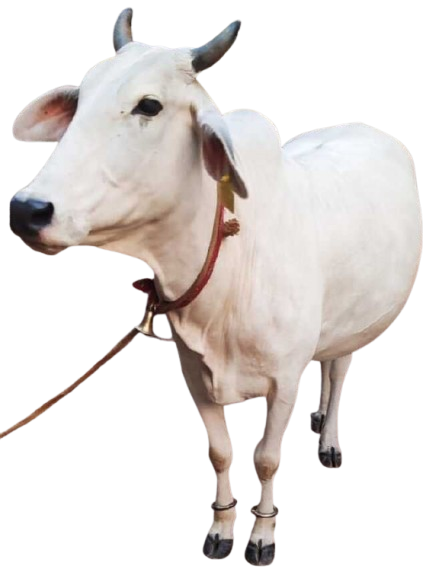
In essence, Gau Mata represents an enduring bond between humans and nature, a symbol of selfless contribution, and a living embodiment of the spiritual and material richness that the bovine species has bestowed upon humanity for millennia in India. Her gentle gaze continues to inspire devotion, respect, and a deep appreciation for the cycle of life.
The reverence for Gau Mata is primarily rooted in Hinduism, where the Gau Mata is considered divine and a manifestation of various deities:
- Kamadhenu: The mythical divine bovine goddess, revered as the mother of all Gau Mata, capable of fulfilling all desires. She symbolizes abundance and purity.
- Lord Krishna: Often depicted as a Gau Mata herd, deeply affectionate towards Gau Mata, emphasizing their importance in pastoral life and spiritual connection.
- Symbol of Dharma: The Gau Mata is often associated with Dharma (righteousness) and is seen as embodying the virtues of patience, gentleness, and selfless giving.
- Vedic Roots: Ancient Vedic scriptures frequently mention the Gau Mata as sacred, associating Gau Mata with wealth, strength, and life itself. Sacrifices and rituals often involved offerings from Gau Mata products, not the Gau Mata itself.
- Panchagavya: The five products derived from the Gau Mata – milk, curd, ghee, gaumutra, and gobar – collectively known as Panchagavya, are considered highly sacred and are used in religious rituals, purification ceremonies, and traditional medicine for their purifying and healing properties.